Metals are among the most important and widely used materials by humankind.
From prehistory to Industry 4.0, they have supported technological development thanks to unique properties such as mechanical strength, conductivity, ductility and durability.
In this guide we will look at:
What are metals?
Metals are chemical elements characterised by:
- good electrical and thermal conductivity
- metallic lustre
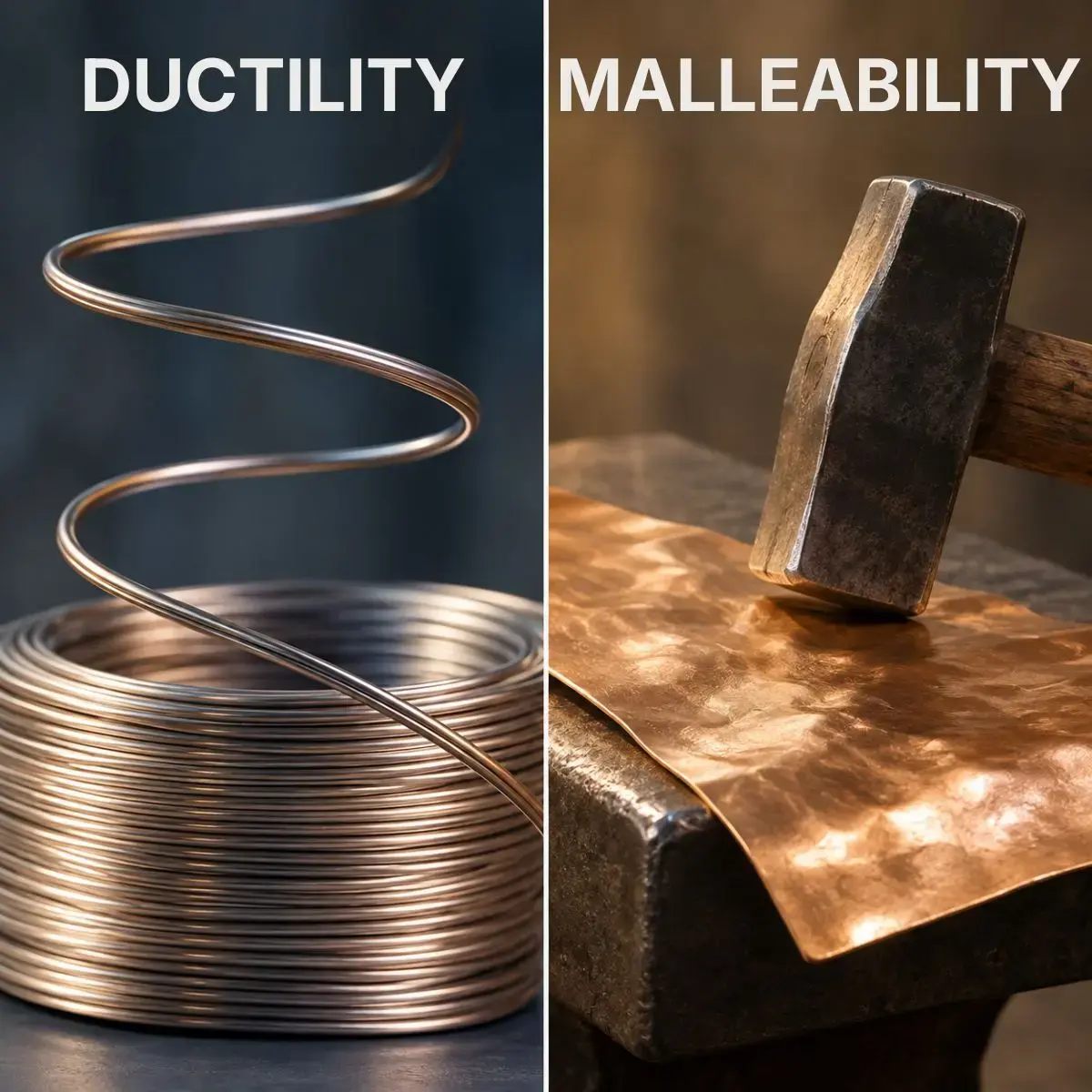
- ductility (they can be deformed without breaking)
- malleability (they can be rolled into sheets)
- mechanical strength (variable depending on the metal)
From an atomic point of view, they tend to lose electrons, forming metallic bonds that explain many of their physical properties.
These characteristics make metals ideal for processes such as CNC milling, CNC turning and precision machining, which are essential in modern industrial manufacturing.
Why are metals so important?
Metals are essential because they:
- withstand high loads
- perform well at high temperatures
- are almost infinitely recyclable
- can be alloyed together to create materials with tailored properties
Without metals, there would be no:
- modern buildings
- vehicles
- infrastructure
- industrial machinery
- electronics
- energy systems and distribution networks
For this reason, choosing the right metal material is one of the most critical aspects in the design of industrial components.
Upload your file and speak with an expert
Classification of metals
Metals can be classified in different ways. The two most common classifications are:
- ferrous and non-ferrous metals
- chemical classification
Industrial classification of metals
Ferrous metals
Ferrous metals are those that contain iron (Fe) as their main element.
Examples
Features
- high mechanical strength
- good machinability
- often magnetic
- prone to corrosion (if not treated)
Main uses
- construction and metal fabrication
- load-bearing structures
- automotive
- industrial machinery
- tools
- railways and infrastructure
Thanks to alloying and heat treatments, steels are the most widely used metals in the world.
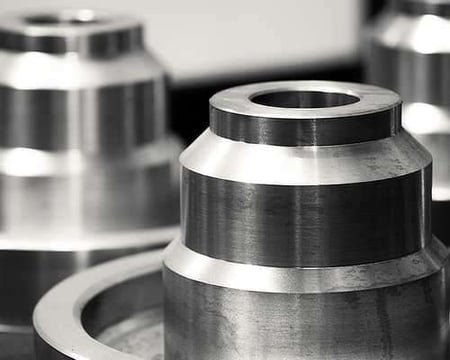
Non-ferrous metals
Non-ferrous metals do not contain iron as their main element.
Examples
Features
- greater corrosion resistance
- often lower weight (e.g. aluminium, titanium)
- excellent conductivity (copper)
- very different specific properties depending on the metal
Main uses
- aeronautics and aerospace
- electronics
- electrical systems
- heat exchangers
- marine industry
- medical sector
- design and architecture
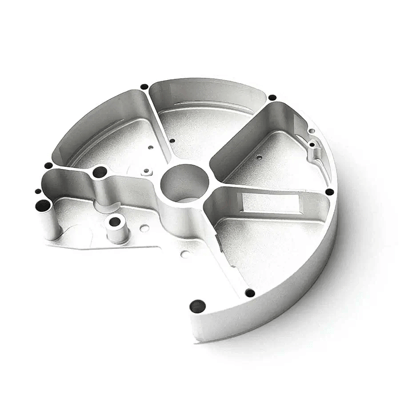
Chemical classification of metals
Alkali Metals (Group 1)
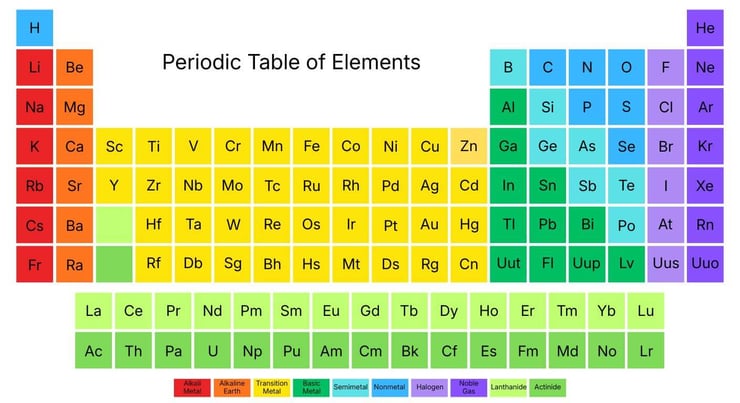
These are the most reactive metals of all. They are found in the first column on the left of the periodic table (excluding hydrogen).
-
Elements: Lithium (Li), Sodium (Na), Potassium (K), Rubidium (Rb), Caesium (Cs), Francium (Fr).
-
Chemical characteristics: They have only one valence electron, which they readily lose to form monovalent cations.
-
Reactivity: TThey react violently with water, forming hydroxides (alkalis) and releasing hydrogen. They are never found in nature in their pure state, but always as compounds (salts).
-
Physical properties: They are soft (can be cut with a knife), have low density and low melting points.
Alkaline Earth Metals (Group 2)
They are very reactive, but less so than alkali metals.
-
Elements: Beryllium (Be), Magnesium (Mg), Calcium (Ca), Strontium (Sr), Barium (Ba), Radium (Ra).
-
Chemical characteristics: They have two valence electrons, which they lose to form divalent cations).
-
Reactivity: They react with water (often requiring heat) and oxidise easily in air. Their oxides react with water to form alkaline solutions.
-
Strength: Magnesium and beryllium are exceptions in this group: they are very stiff and lightweight, which is why magnesium is used in racing car alloys and ultra-light laptop frames.
Transition Metals (d-block)
They make up the large central group of the periodic table (Groups 3–12).
-
Elements: Iron (Fe), Copper (Cu), Gold (Au), Silver (Ag), Titanium (Ti), Zinc (Zn), etc.
-
Chemical characteristics: Their defining feature is the filling of d orbitals. They can have multiple oxidation states (e.g. iron can be +2 or +3), allowing them to form a wide range of coloured compounds and often act as catalysts.
-
Physical properties: They are generally hard, with high melting and boiling points, and are excellent conductors of electricity and heat.

Post-Transition Metals (p-block)
They are located to the right of the transition metals, before the metalloid boundary line. They are sometimes called “poor metals”.
-
Elements: Aluminium (Al), Tin (Sn), Lead (Pb), Gallium (Ga), Indium (In), etc.
-
Chemical characteristics: They have valence electrons in p orbitals. They are chemically “weaker” than transition metals: softer and with lower melting points.
-
Reactivity: They tend to form covalent bonds more often than alkali metals and often show amphoteric behaviour (they can react with both acids and bases, like aluminium).
Inner Transition Metals (f-block)
They are positioned in the two rows at the bottom of the periodic table.
-
Lanthanides (Rare Earths): Similar to lanthanum. They are silvery, highly reactive metals widely used in high-tech applications (e.g. neodymium magnets, displays).
-
Actinides: Similar to actinium. They are all radioactive. The most well-known are uranium (U) and plutonium (Pu).
Uses of metals in major sectors
- Construction: Steel, iron, aluminium → structures, beams, façades
- Automotive: High-strength steels, aluminium, magnesium → frames, engines, bodywork
- Aerospace: Titanium, aluminium, superalloys → lightness and extreme strength
- Electronics: Copper, gold, silver → electrical conduction
- Medical: Titanium, stainless steel → biocompatibility and sterility
- Industry: Special steels, alloys → machinery, tools, moulds, CNC components
Metal alloys: the true industrial standard
In industrial practice, pure metals are rarely used.
Alloys make it possible to:
- improve strength
- control ductility
- increase durability
- adapt the material to the working environment
Examples
- steel (iron + carbon)
- bronze (copper + tin)
- brass (copper + zinc)
- high-temperature superalloys
The future points towards:
- increasingly lightweight materials
- higher strength
- reduced emissions
- recycling and sustainability
- integration with digital manufacturing and CNC
Conclusions
Metals are the foundation of modern industrial civilisation.
Understanding their types and uses is essential to choosing the right material based on:
- strength
- weight
- cost
- operating environment
- production process
Do you need to manufacture a metal component?
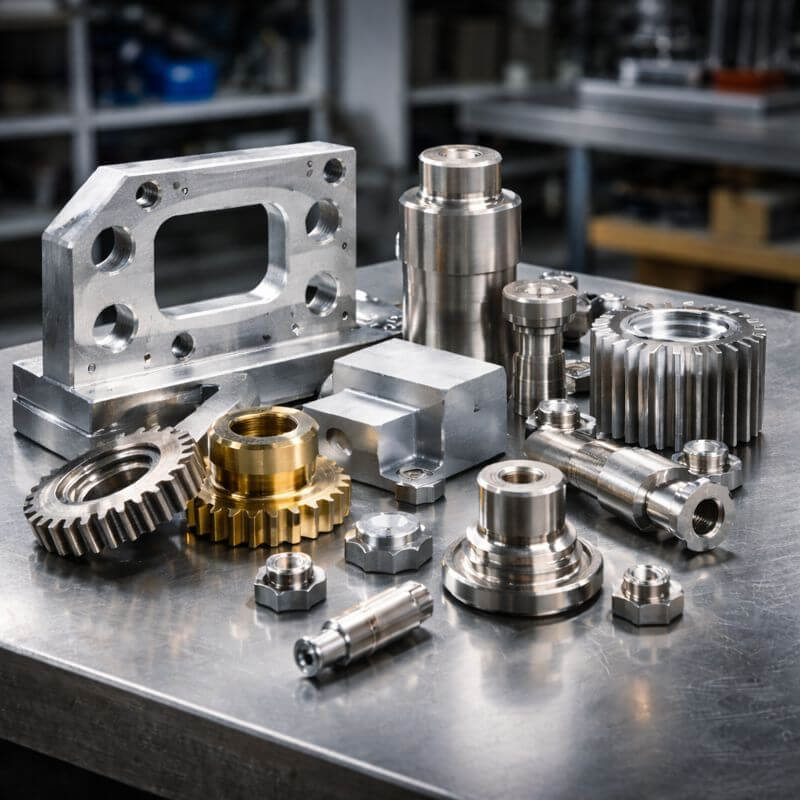
With Weerg, you can machine aluminium, steel, stainless steel, brass, copper and bronze using 5-axis CNC machining, with instant online quotations and specialised technical support.
Upload your CAD file and get an immediate CNC quote
Metals FAQ

 Weerg staff: Sep 23, 2026