When discussing industrial 3D printing, most projects focus on rigid materials.
But what happens when flexibility, impact resistance and vibration damping are required?
This is where TPU (thermoplastic polyurethane) comes into play.
The problem: a fragile component in a dynamic system
A company in the industrial automation sector was facing a recurring issue: an anti-vibration support used in a handling system was frequently breaking.
Critical issues:
- rigid material (traditional plastic)
- continuous vibrations
- repeated micro-impacts
- intense duty cycles
Result:
- frequent replacements
- machine downtime
- high maintenance costs
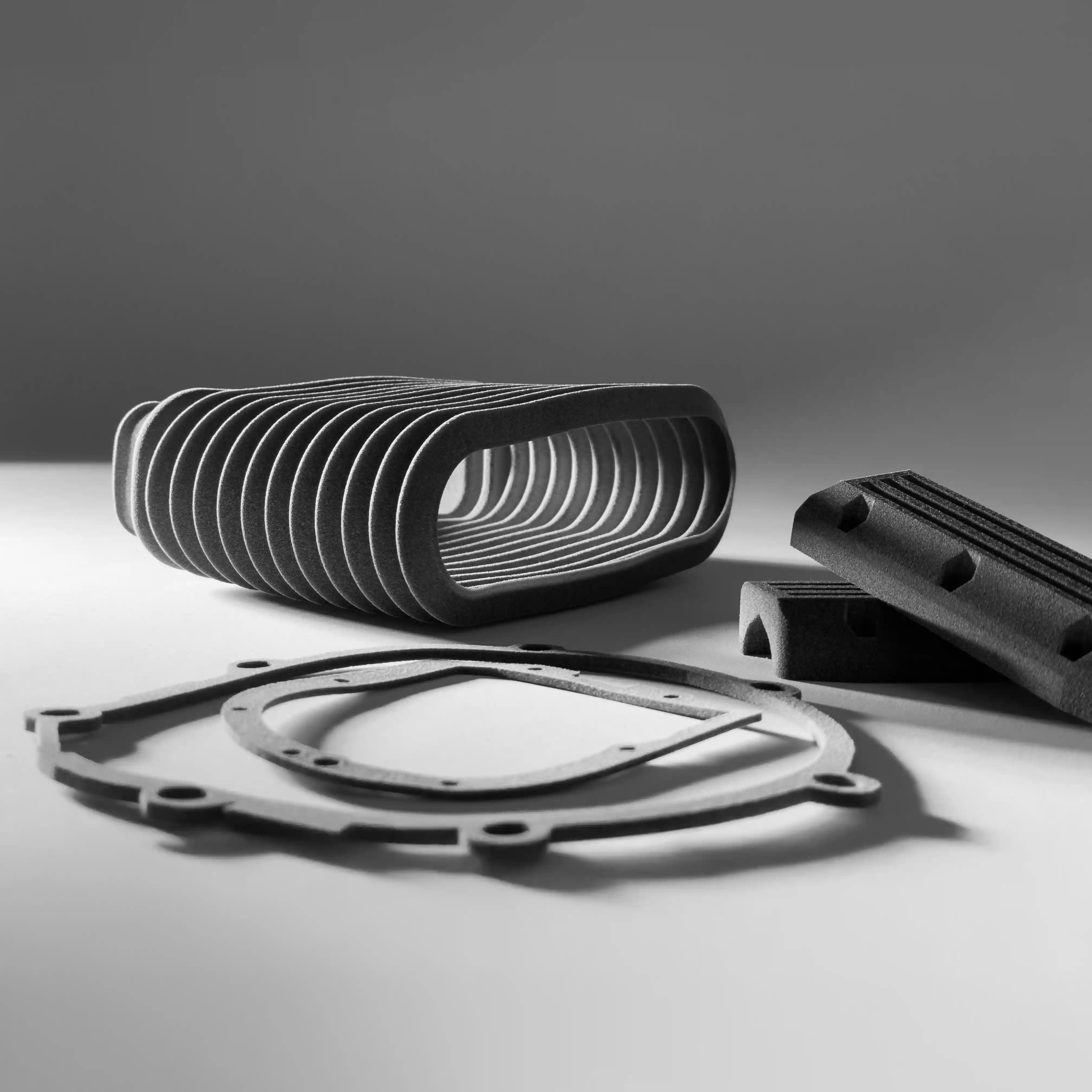
The solution: switching to 3D-printed TPU
The team decided to redesign the component using 3D-printed TPU, taking advantage of its properties:
- controlled elasticity
- abrasion resistance
- energy absorption capability
- long-term durability
Thanks to 3D printing, it was possible to:
- rapidly modify the design
- test different geometries
- adapt the component to real operating conditions
UPLOAD YOUR FILE AND GET YOUR TPU PARTS
The redesign: geometry + material
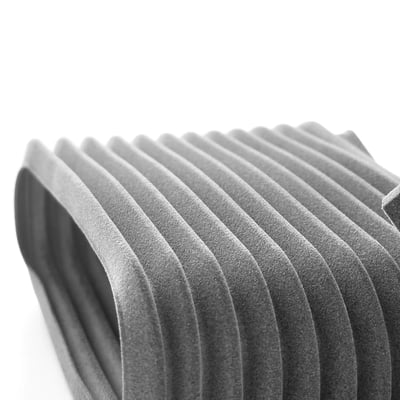
The new component was designed with:
✔ Optimised flexible structure
- variable thickness zones
- lattice elements to dissipate energy
- improved contact surfaces
✔ Industrial TPU material
- controlled Shore hardness
- resistance to oils and chemicals
- stable elastic behaviour over time
The Results
After implementing the new TPU component:
Reduction in breakage
- from frequent replacements → zero failures
Performance improvement
- reduced vibration
- increased system stability
Cost reduction
- less maintenance
- less machine downtime
- elimination of spare parts inventory
Accelerated development
- prototype → test → production in just a few days
Why TPU made the difference
The success of the project did not depend solely on the material, but on the combination of:
TPU properties
- elastic yet durable
- capable of absorbing impacts
- resistant to fatigue and wear
Design freedom of 3D printing
- geometries impossible with traditional moulding
- rapid iterations
- full customisation
Other use cases of 3D-printed TPU
TPU is increasingly used in applications where flexibility is a key requirement:
Industry
- anti-vibration supports
- seals
- dampers
Automotive
- protective elements
- flexible components
- impact-resistant parts
Logistics
- bumpers
- impact absorption systems
consumer
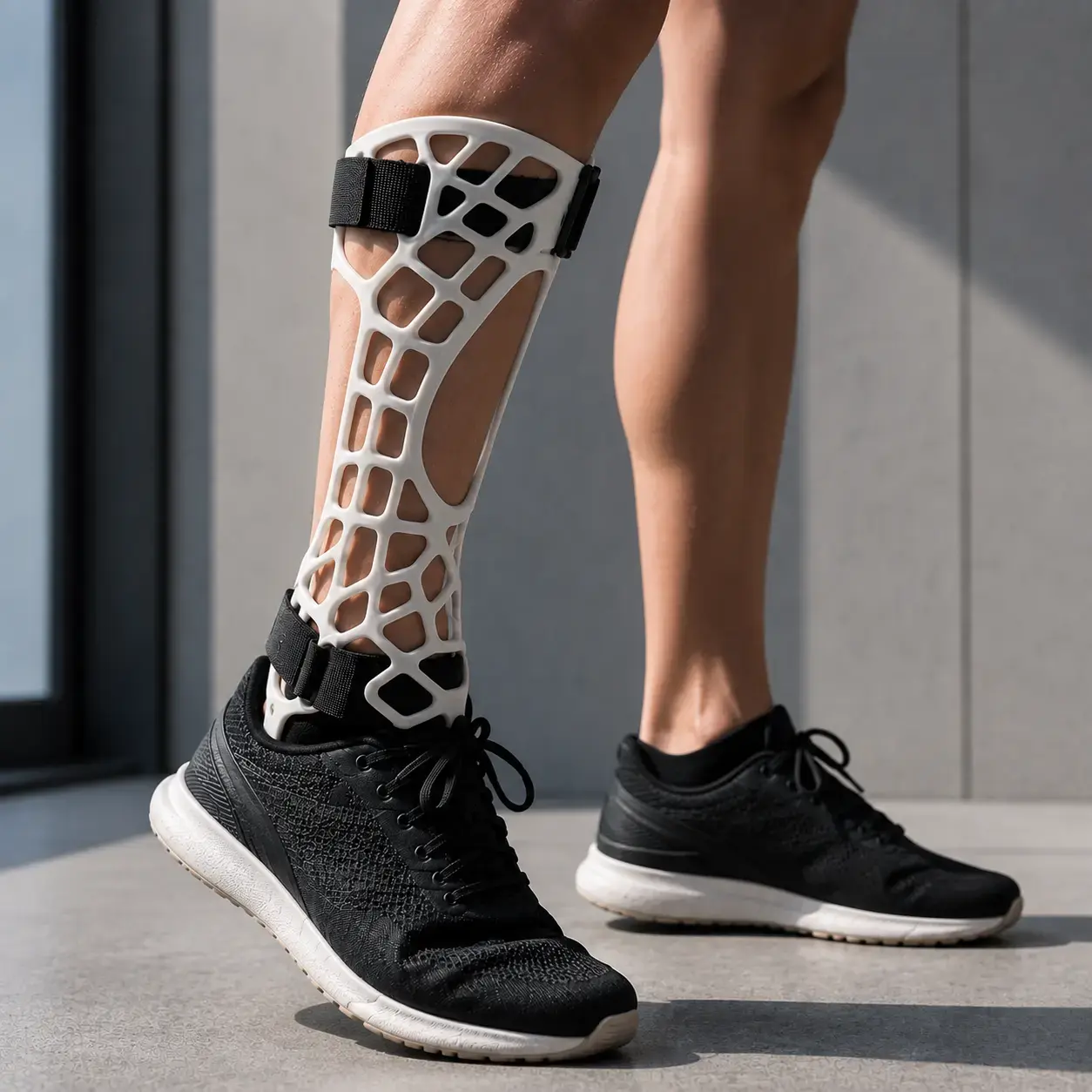
- protective cases
- ergonomic grips
- wearable devices
When to choose 3D printed TPU
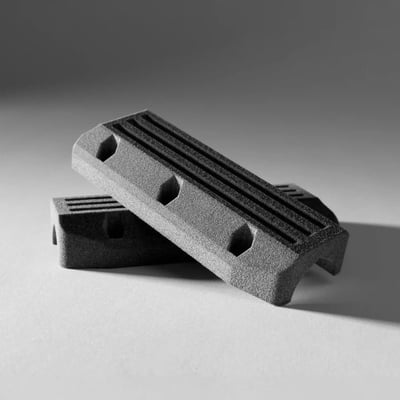
TPU is the ideal choice when you need:
- controlled flexibility
- impact resistance
- long-term durability
- adaptable design
- fast, on-demand production
It is particularly useful in dynamic systems or environments subject to vibration.
Conclusions
This case demonstrates how 3D printed TPU is not just an alternative material, but an advanced design solution.
Moving from a rigid to a flexible material, combined with the freedom of 3D printing, can:
- improve performance
- reduce costs
- increase reliability
- accelerate innovation
Do you have a component subject to shock or vibration?
Upload your file and make your design in TPU
FAQ

 Weerg staff: Aug 26, 2026