Over the past few weeks, we have published four articles dedicated to four companies that chose SLA resin 3D printing to solve real problems: not to look good in a press release, but to reduce costs, shorten development times and produce better parts.
Today, it is time for the recap. Weerg’s SLA resin promotion expires on Sunday, and we want you to be able to assess it with the data in front of you, not with a salesperson’s promises.
Four case studies. Four concrete examples. One answer to the question you always ask us:
“Is it really worth it?”
Volkswagen — hubcaps that look like metal in 48 hours
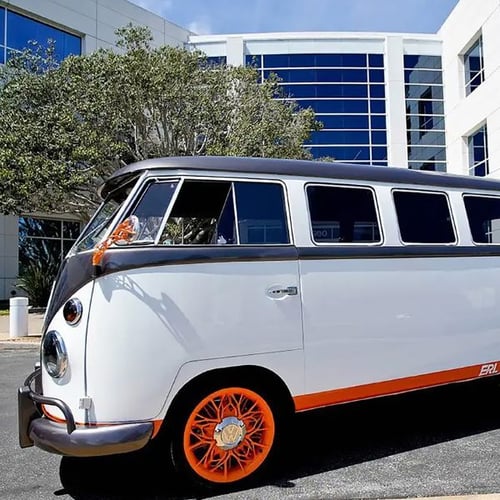
Volkswagen and Autodesk were working on the Type 20 prototype, a modern reinterpretation of the classic 1962 microbus, featuring generatively designed cast aluminium wheels.
The wheels were spectacular. The hubcaps, however, had to follow their organic shapes without compromising the aesthetics. The traditional route — CNC milling and weeks of waiting — was incompatible with the pace of a prototype project.
The solution: SLA 3D printing in Clear Resin, followed by nickel electroplating.
The result: hubcaps that look like metal and behave like metal, can be updated with every design iteration and are ready in 48 hours. After electroplating, according to tests by partner RePliForm, the breaking load triples, stiffness quadruples and flexural strength improves almost tenfold.
With SLA 3D printing, you can afford to change your mind. With metal casting, you cannot.
"SLA 3D printing and electroplating are a perfect combination: smooth finish, well-defined details, watertight shapes.”
Ford - from design to validation in hours, not weeks
Ford's Merkenich plant, near Cologne, is the heart of the brand’s European vehicle development, including the new electric Ford Explorer. With the goal of selling only electric cars in Europe by 2030, development cycles have become compressed: every week saved counts.
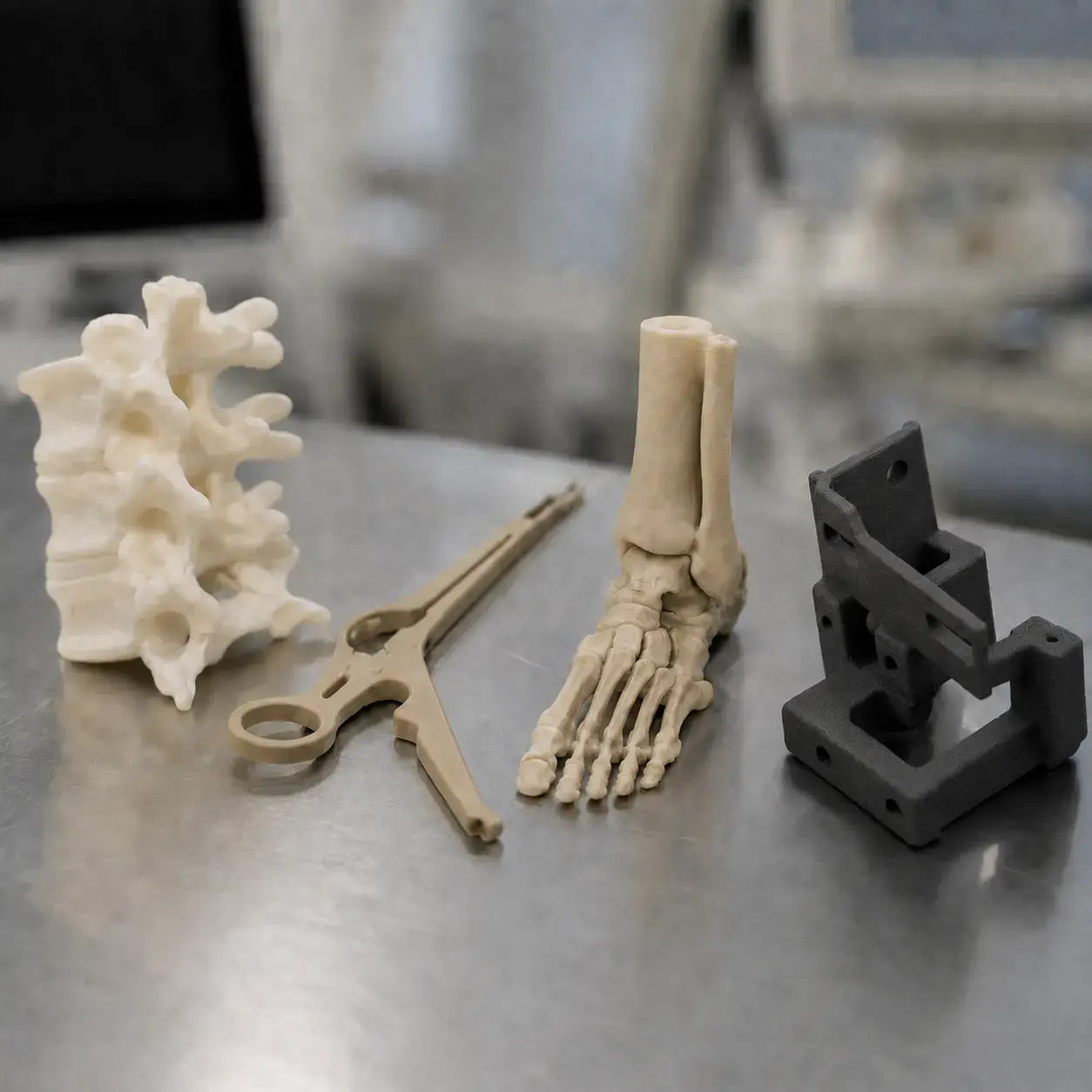
The rapid technology centre uses SLA and SLS printers for three key applications: design prototypes, such as mirror caps and exterior panels; mechanical testing of functional components; and injection mould inserts made from Rigid 10K Resin.
For mould inserts, lead times have gone from two or three months to two or three weeks. Urgent requests are fulfilled in less than 24 hours, even when they come from the technical centre in the UK.
The most emblematic case is the charging compartment cover: an assembly so complex that it could not be prototyped using other methods. Not milling, not injection moulding for a handful of samples. Only SLS printing with PA-12 made it possible to physically test the mechanisms.
"IIf we didn’t have additive manufacturing available right now, we wouldn’t be able to face the competition, or move this quickly" - Bruno Alves, additive manufacturing expert, Ford Merkenich
Unilever - 90% savings on moulds
Unilever owns brands such as Dove, Domestos, Cif, Knorr, Axe and Ben & Jerry’s. Every year, it develops dozens of new packaging solutions, and every plastic bottle requires a dedicated mould.
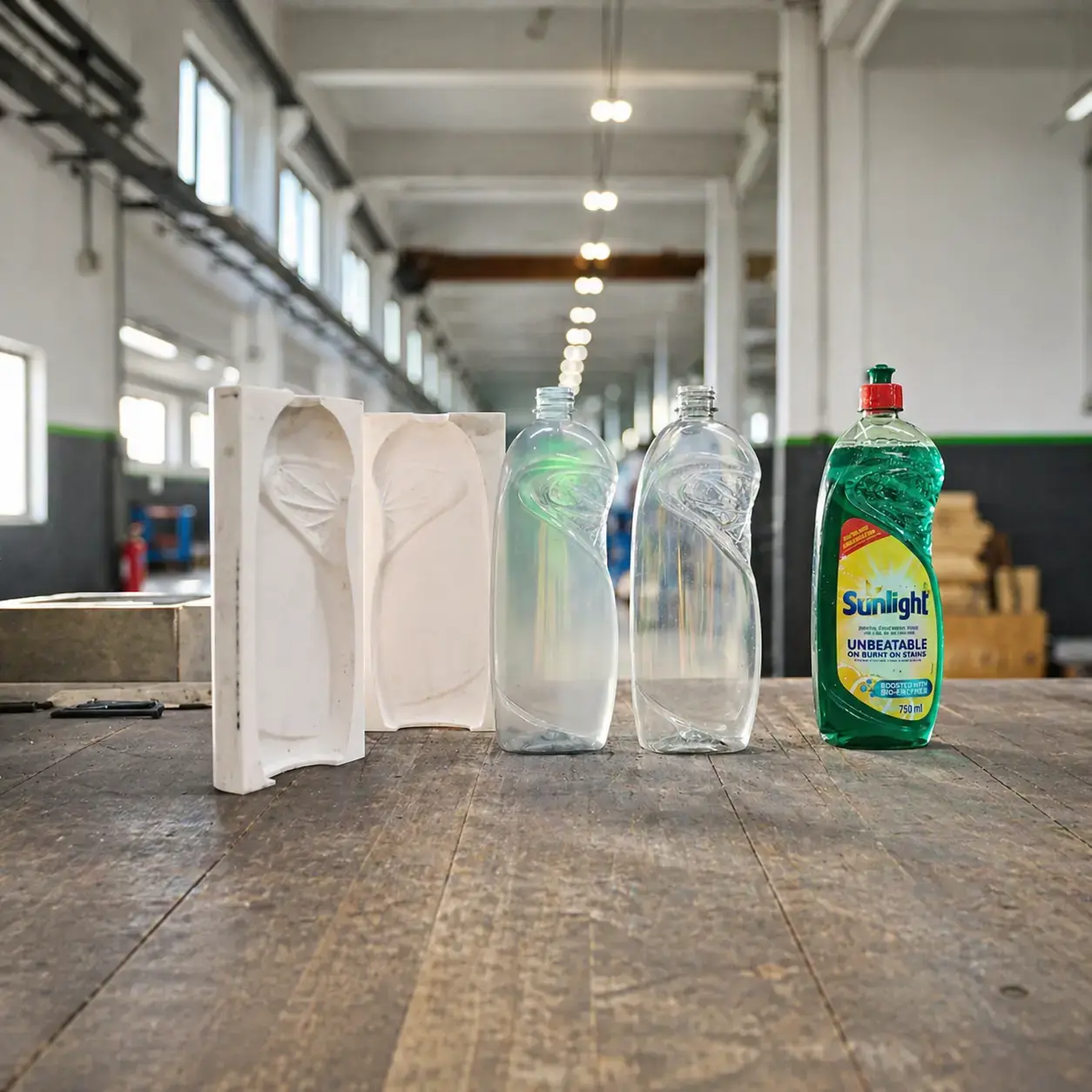
With the traditional stretch blow moulding process, lead times ranged from six to twelve weeks, with costs of up to €10,000 per metal mould. Testing five different designs meant multiplying both costs and lead times by five.
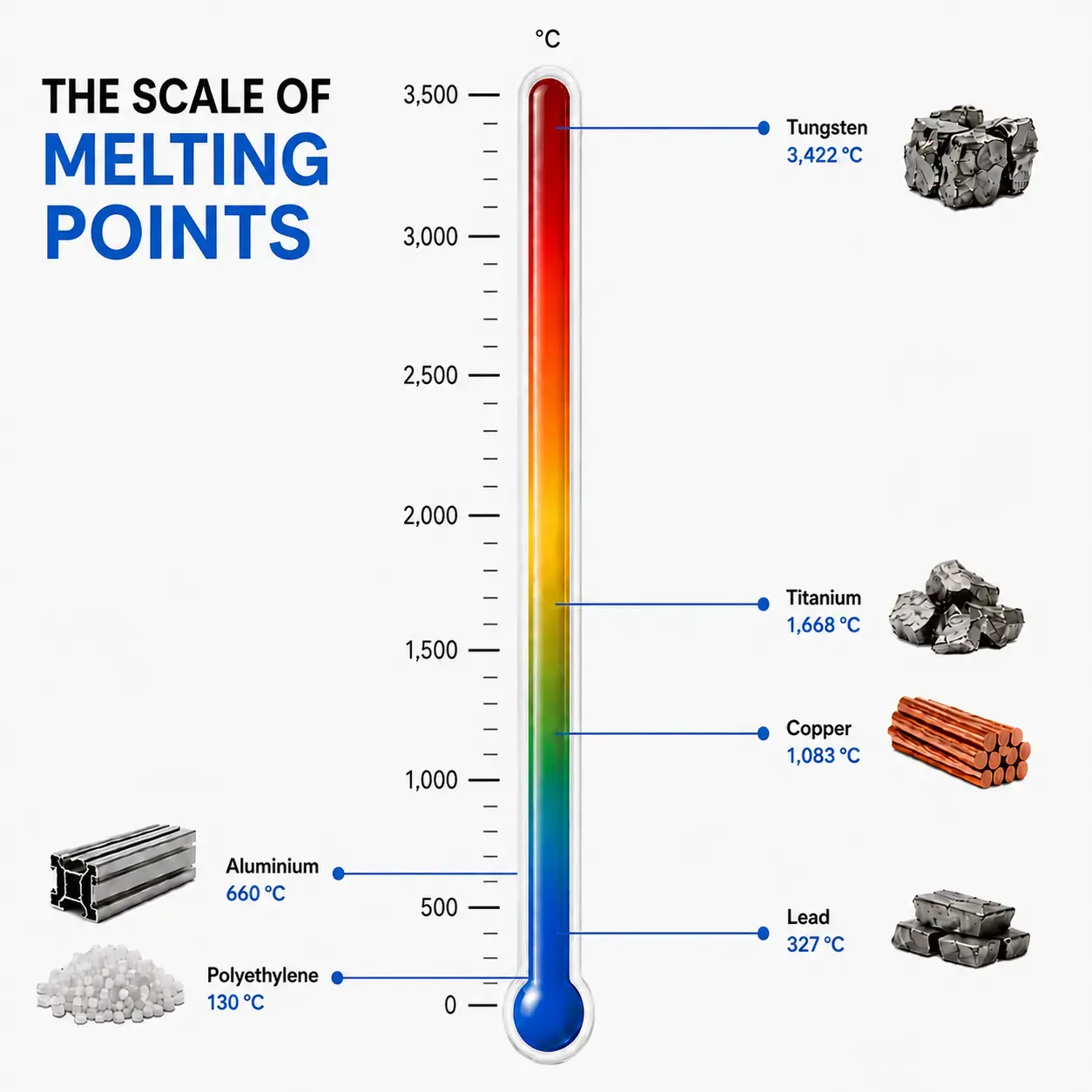
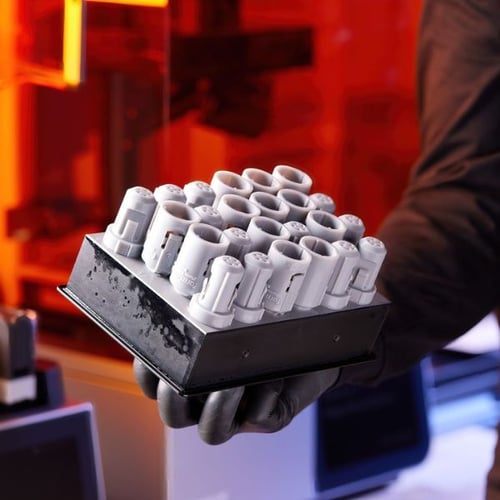
In partnership with Serioplast, Unilever adopted moulds made from Rigid 10K Resin on a Form 3L, inserted directly into the industrial SBM machine. The material withstands pressures of up to 30 bar and temperatures above 100 °C without deforming.
The bottles produced with these moulds are visually and functionally identical to the final product: they can be labelled and delivered to consumers for real-world testing, something that was impossible with the old purely aesthetic prototypes.
The numbers speak for themselves: 90% lower tooling costs, from €2,500–10,000 to €500–1,000; 70% shorter lead times, from six to eight weeks down to two; and the ability to test five designs in parallel where previously only one could be tested.
"With the 3D-printed mould, we can reduce lead times by 70% and costs by 90%. In the past, you had to wait up to 12 weeks for a single design; now we can produce five.” — Flavio Migliarelli, R&D Design Manager, Serioplast Global Services
Andrea Pirazzini, Motorsport - 40–50 °C cooler than aluminium
Andrea Pirazzini has been racing motorbikes since 2012 and has always used 3D printing to develop components for his pit bikes.
The challenge was a concrete one: to design and print a functional, airtight intake manifold, a critical engine part exposed to high temperatures and variable pressures. With FDM printing, however, the results were not good enough: the parts were not watertight and engine performance was compromised.
Using 3D scanning and Fusion 360 for reverse engineering, Pirazzini redesigned the manifold with cooling fins and printed it in Rigid 10K Resin on a Form 3.
The result, measured with a thermal camera after a 20–25 minute race in an outside temperature of 33 °C: the 3D-printed manifold was 40–50 °C cooler than the standard aluminium manifold, cool enough to touch without getting burnt.
And that was not all. Thanks to the design improvements, the engine gained around 1 hp, almost 10% more, while still complying with championship regulations.
The cost of each manifold: €10–12. Pirazzini printed up to seven variants in a single night to carry out comparative tests the next day: something simply impossible with traditional machining.
Read more: SLA vs. FDM: Technical guide to choosing the right material
What you can do with the same technology at 50% off
These four cases cover different sectors, scales and budgets. But they have one common denominator: Rigid 10K Resin, the same SLA technology available on Weerg, made it possible to create applications that would have been impossible with traditional processes, or only possible at prohibitive costs.
With the promotion active until Sunday, you can take advantage of the 50% discount to produce functional prototypes to test in real-world conditions before investing in metal moulds; end-use parts for thermally and mechanically demanding environments; mould inserts with lead times reduced from months to weeks; or simply to iterate your design without the cost constraints of traditional tooling.
This is not “3D printing for hobbyists”. It is the same process used by Volkswagen, Ford and Unilever: now accessible to anyone with a project and a deadline.
The promotion expires on Sunday 10 May: order now
The 50% discount on SLA resin is valid until Sunday 10 May 2026 at 23:59. No extensions, no exceptions — this is the last chance in this campaign.
Last chance: configure and order by 10 May
No minimum order - Instant quote - Shipping in 3-5 days
 Weerg staff: Aug 26, 2026