Nylon is one of the most widely used plastic materials in the world.
Thanks to its combination of strength, light weight, flexibility and durability, it is used in sectors ranging from clothing to mechanical engineering, from automotive to 3D printing.
In this 2026 guide you will discover:
1. What nylon is
2. Why nylon is so widely used
3. The main applications of nylon
4. Why choose nylon instead of metal
5. Its limitations
6. Conclusion
What is nylon?
Nylon is a synthetic polymer belonging to the polyamide family.
It was developed in the 1930s as an alternative to natural materials (such as silk) and quickly became established in industrial applications as well.
Common types include:
Each variant has specific properties, suitable for different uses.
Why is nylon so widely used?
Nylon is chosen because it offers a unique balance of:
-
high mechanical strength
-
good impact and wear resistance
-
low weight compared to metals
-
low coefficient of friction
-
resistance to oils and chemical agents
-
good thermal stability
-
ease of processing and moulding
These characteristics make it ideal for both functional and structural components.
What is nylon used for? Main applications
1. Textile and clothing industry
Nylon originated specifically in textile sector and is still widely used for:
- sportswear
- socks and tights
- swimwear
- ropes, nets and technical threads
It is valued for its light weight, elasticity and tear resistance.
2. Automotive industry
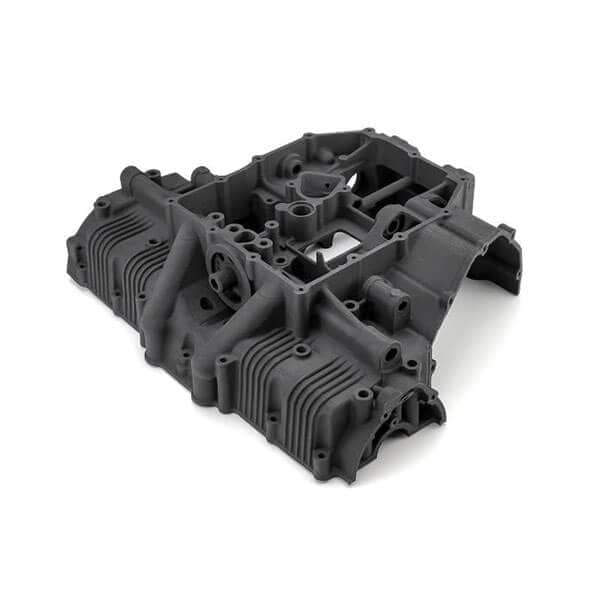
In the automotive industry, nylon is used to reduce weight and noise:
- engine components
- manifolds and ducts
- gears and bushings
- clips, cable ties and supports
- under-bonnet parts
It provides resistance to heat, vibrations and chemical agents.
3. Industrial and mechanical components
Nylon often replaces metal in parts subject to wear:
- gears
- bearings
- pulleys
- rollers
- guides and spacers
Main advantages include:
- self-lubricating behaviour
- reduced maintenance
- lower noise and friction
- no corrosion
4. Everyday consumer products
Nylon is found in a wide range of everyday items:
Its fatigue resistance makes it ideal for objects subjected to repeated stress.
5. Electronics and electrical engineering
Thanks to its insulating properties, nylon is used for:
- electrical connectors
- cable glands
-
terminal blocks
- insulating housings and supports
Flame-retardant grades are also available.
6. Medical sector
Some types of nylon are used in healthcare applications:
- surgical sutures
- components for medical devices
- prosthetics and supports
- disposable instruments
They are chosen for their strength, flexibility and biocompatibility (in specific grades).
7. Aerospace and defence
In aerospace, nylon is used for:
It offers an excellent strength-to-weight ratio and vibration damping.
8. Nylon in 3D printing
Nylon is one of the most important materials in industrial 3D printing.
It is used in technologies such as:
Common applications include:
- functional prototypes
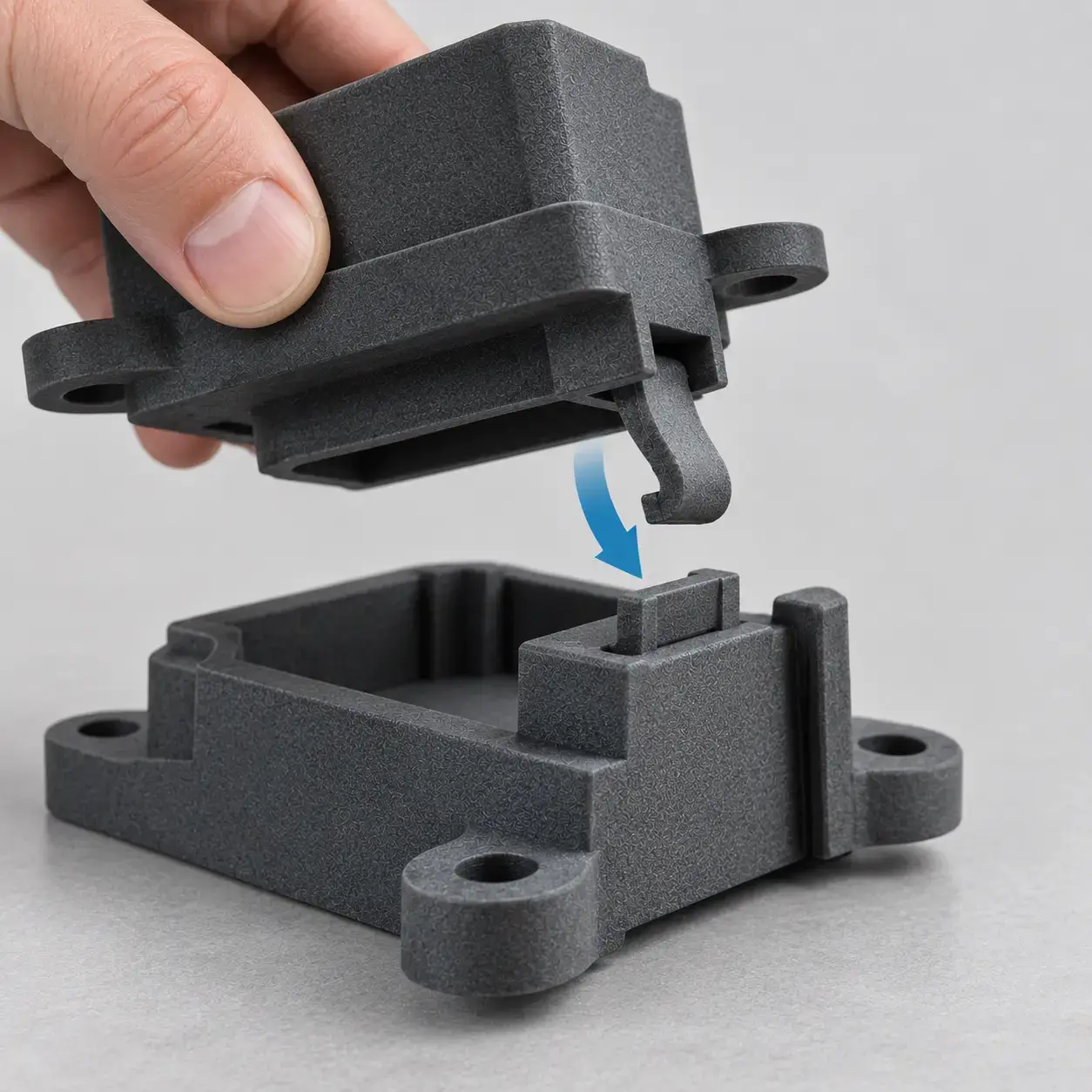
- snap-fit components
-
housings and enclosures
-
jigs and fixtures
-
end-use production parts
The most commonly used grades are PA12 (well-balanced) and PA11 (more flexible and impact-resistant).
Why choose nylon instead of metal?
In many applications, nylon is an excellent alternative to metal because it:
-
is much lighter
-
does not rust
-
reduces vibration and noise
-
is cheaper to manufacture
-
offers greater design freedom
-
provides electrical insulation
In many cases provides comparable performance with additional advantages.
Limitations of nylon
Despite its versatility, nylon has some limitations:
- it can absorb moisture
- it is less rigid than metals
- it has temperature limits at high heat
- it can degrade under UV exposure without additives
For this reason, choosing the correct type of nylon is essential.
Conclusion: what is nylon used for?
Nylon is used in industry, automotive, electronics, medical, aerospace and 3D printing because it combines strength, light weight and durability.
It is one of the most versatile polymers ever developed and continues to play a central role in materials innovation.
Do you need to make nylon components with industrial quality?
Upload your 3D file and choose the nylon best suited to your application
FAQ about nylon

 Weerg staff: Oct 14, 2026