Skip to the main content.

Weerg Guides

The Weerg Blog collects up-to-date articles on 3D Printing and CNC Machining.

SUBSCIBE TO OUR NEWSLETTER

Guidelines

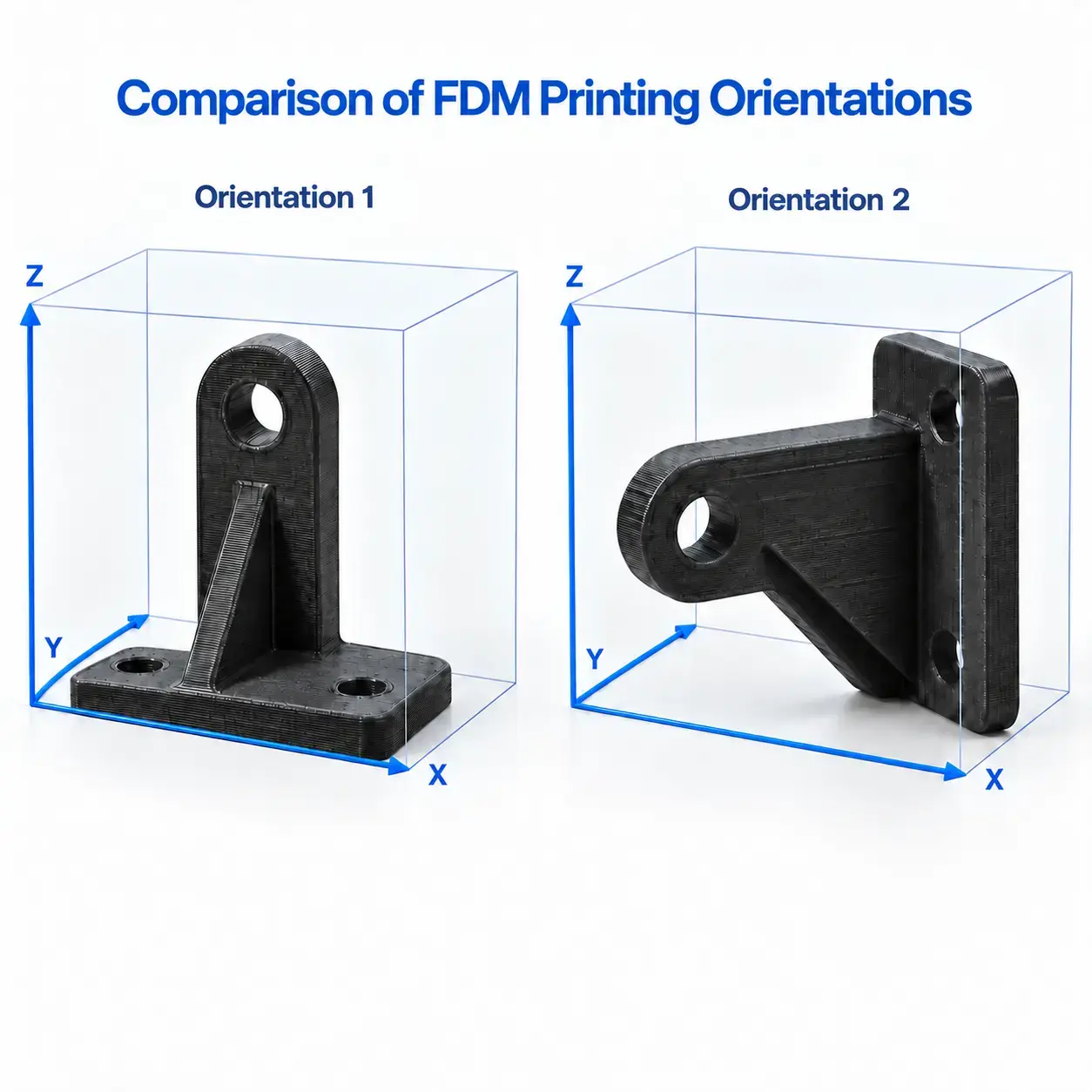
FDM 3D printing orientation

7 min read

Orientation in FDM 3D Printing: How It Affects Strength, Finish, Cost

In FDM 3D printing (Fused Deposition Modeling), the same part, made with the same material and on the same machine, can be strong or brittle, smooth or rough, cheap or costly according to its orientation in the print volume. Orientation is therefore not a simple process parameter, but a design...
Read More
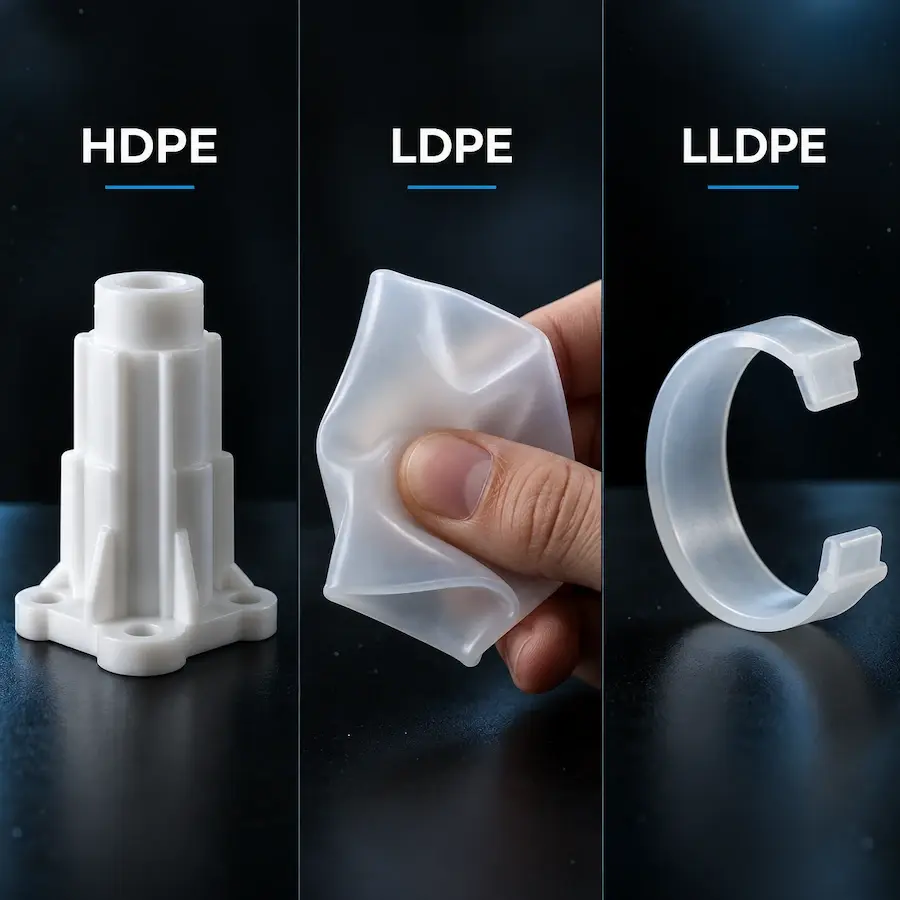
A comparison of HDPE, LDPE, and LLDPE using realistic samples that highlight the different stiffness and flexibility characteristics of the three materials.

8 min read

Which type of Polyethylene (PE) to choose

Polyethylene (PE) is the most widely produced polymer in the world: from grocery bags to gas pipes, from industrial tanks to hip replacements, this family of materials covers an extremely wide range of applications. Its strength lies in its versatility: by modifying the molecular structure,...

Read More

9 min read

3D-Printed Interlocking Parts: Design Guide 2026

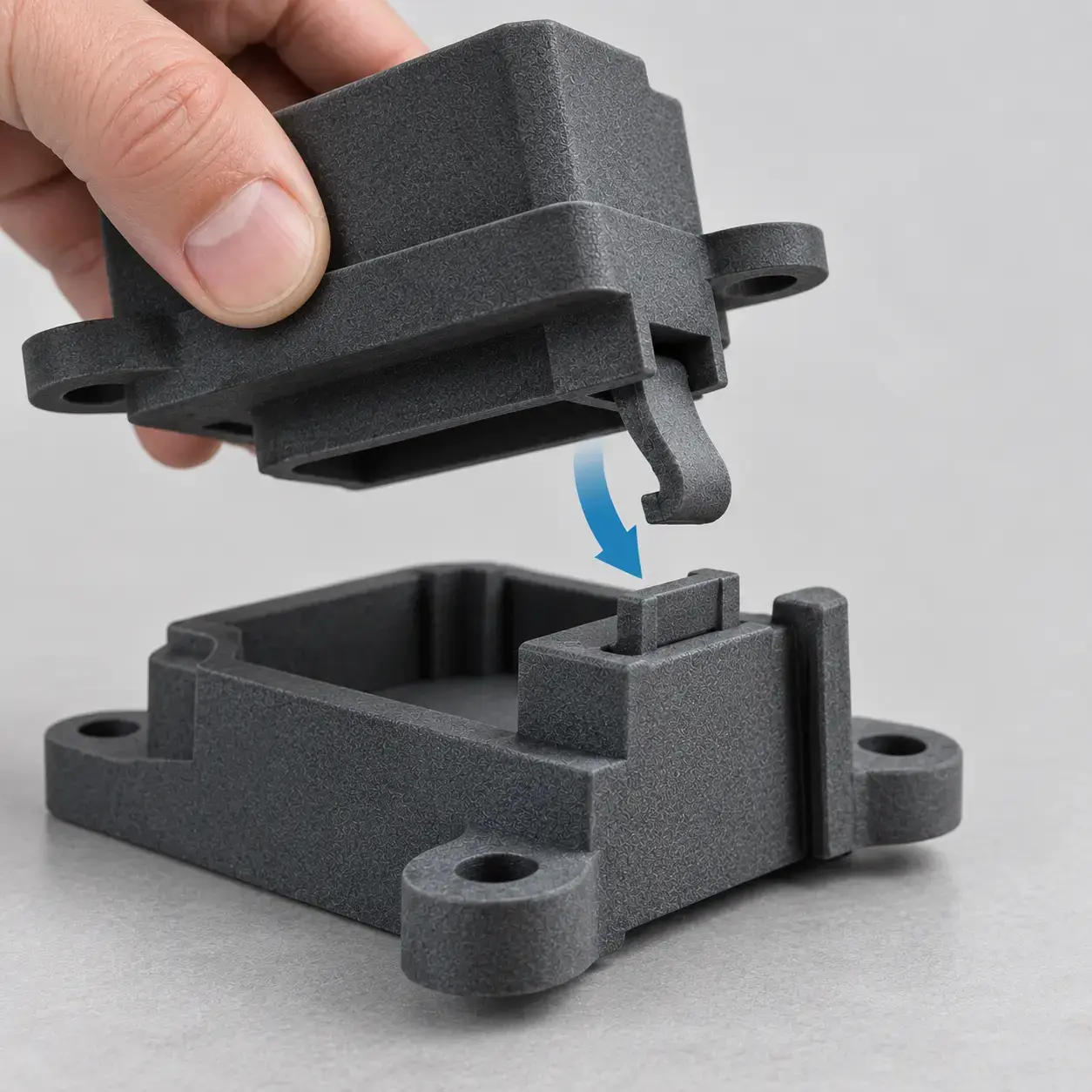
One of the least exploited advantages of 3D printing is the possibility of eliminating screws, glues and other fastening elements, integrating the assembly directly into the geometry of the part. Interlocking parts such as snap-fits, snap joints, dovetail joints and living hinges make it possible...

Read More
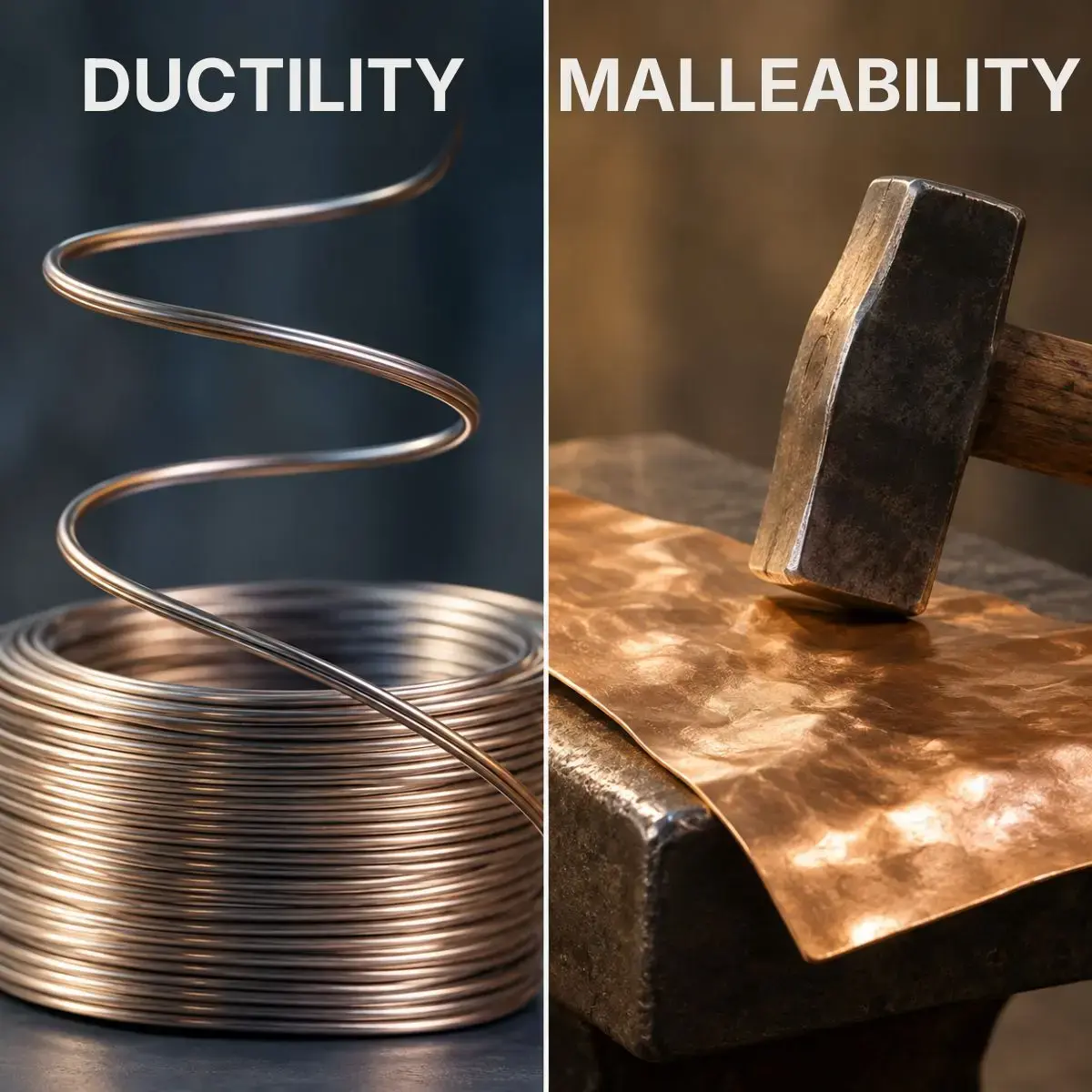
A Comparison of Ductility and Malleability in Metals

9 min read

Ductility and malleability of metals: what they are and differences

Ductility is the ability of a material to deform plastically under tension without breaking. Malleability is the ability to deform plastically under compression without breaking.

Ductility and malleability are two terms often used as synonyms. In reality they describe two distinct behaviours of the...

Read More
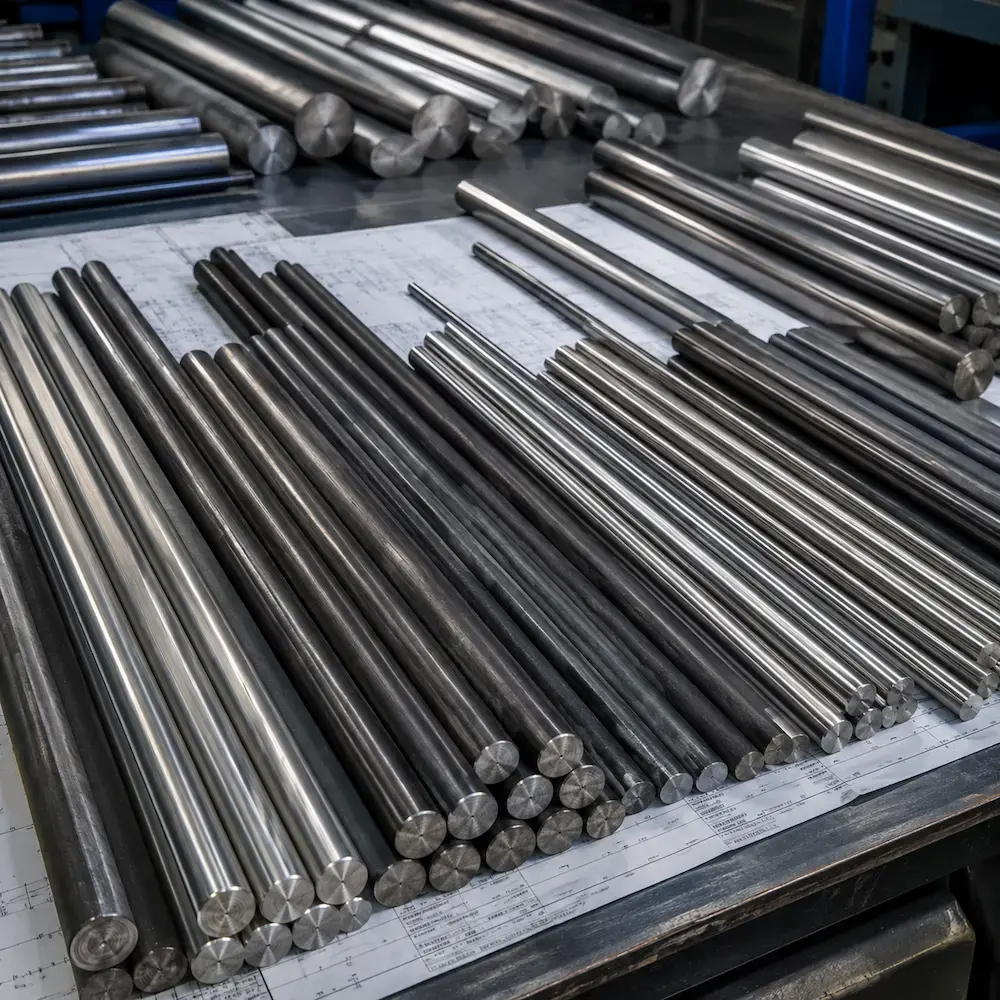
Various types of steel bars as raw material for CNC machining

6 min read

What Steel Is Made Of: Composition, Elements, and Types

What is steel made of? The short answer is: iron and carbon. The complete one opens up a whole world. Steel is a metal alloy composed of over 95% iron, but it's the remaining elements that determine its characteristics.

Understanding the composition of steel means understanding why an S355 behaves...

Read More
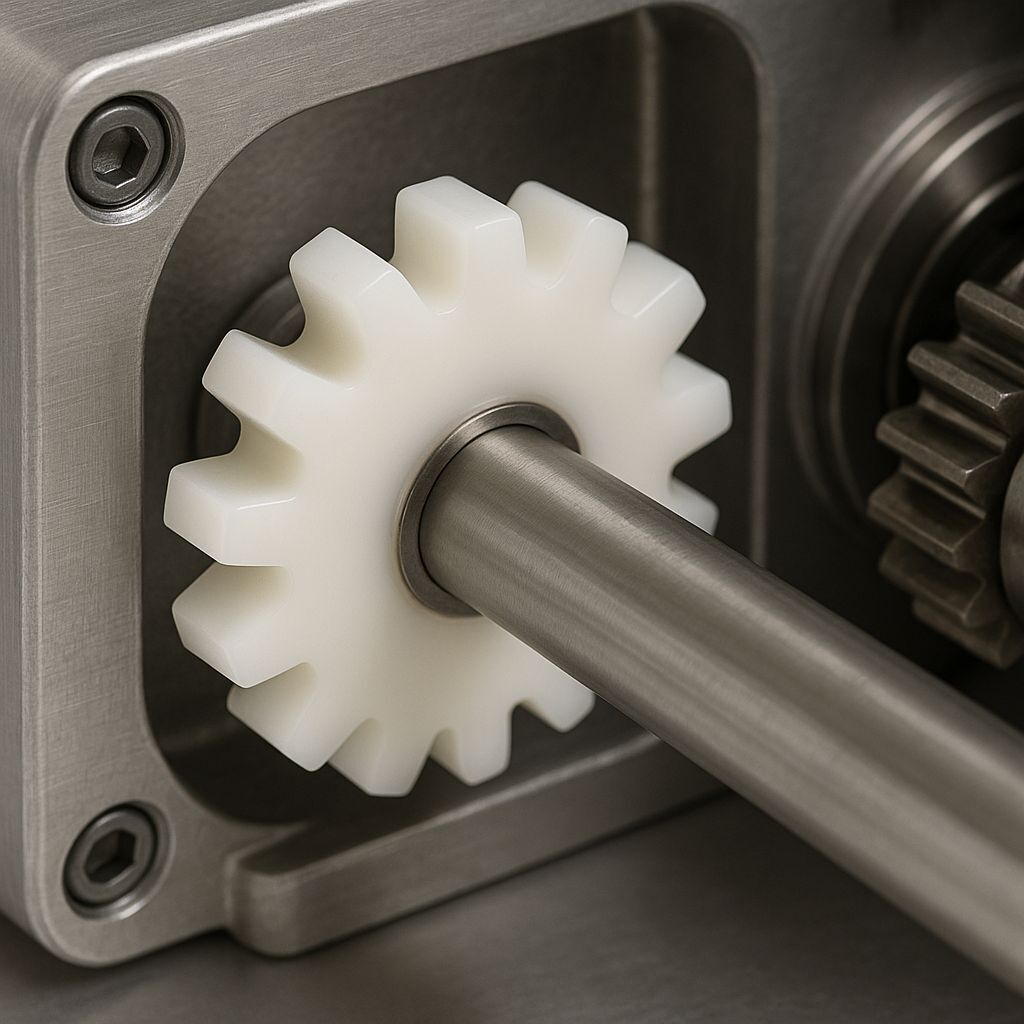
Polyoxymethylene Copolymer

1 min read

POM‑C: What Is Polyoxymethylene Copolymer and Why Choose It?

POM‑C, also known as polyoxymethylene copolymer or acetal resin, is a high‑performance engineering plastic material. Used in mechanical, fluid‑handling and electromechanical applications, thePOM‑C material offers an ideal balance of stiffness, smooth sliding (low friction), dimensional stability...

Read More
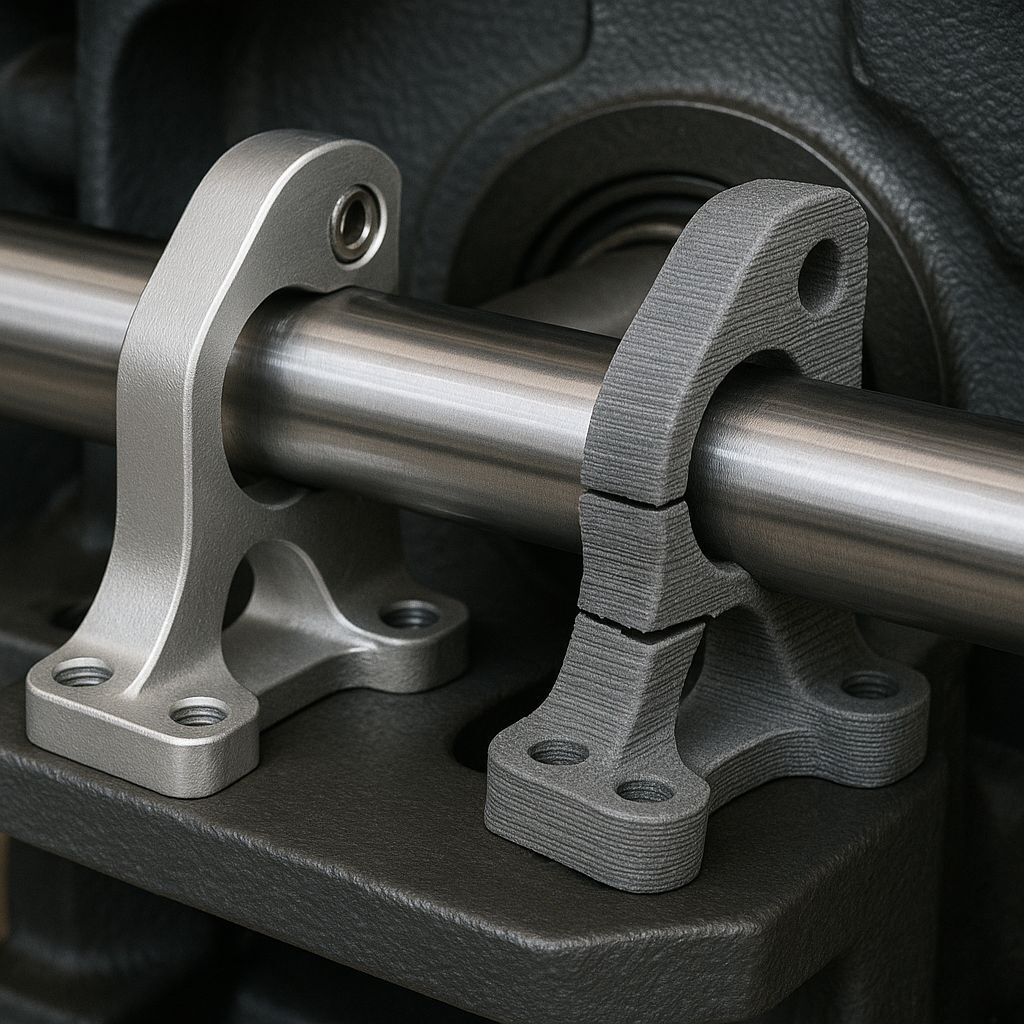
Two materials: one isotropic and the other anisotropic

2 min read

Isotropy and anisotropy in materials

The mechanical orientation of materials is a critical factor in the design of components for 3D printing and CNC machining. The distinction between isotropic vs anisotropic behaviour directly affects structural performance, reliability and costs.

Read More
Titanium parts

3 min read

Titanium: what is titanium, properties, alloys and main uses

Titanium is considered one of the most high-performing metals known to humankind. Its reputation derives from the rare combination of two qualities in a single material: strength and lightness. This balance makes titanium indispensable in fields where maximum performance is required without...

Read More
3D printed strong materials

3 min read

What is the strongest material for 3D printing?

3D printing is revolutionising manufacturing, enabling the production of complex components with a high degree of customisation and precision. One of the questions designers, engineers and enthusiasts ask most often concerns the strongest material available for 3D printing. There is no single...

Read More
Carbon fiber

3 min read

Carbon Fibre Filaments for 3D Printing: PA12 CF, PA6 CF, PEEK CF

3D printing has revolutionised the manufacturing sector by enabling rapid and precise prototyping, as well as offering new opportunities in the production of high-performance components. Among the most innovative materials used in this technology are carbon fibre reinforced filaments, combining...

Read More